Article by Rajveer Singh, Head Of Khalsa Diary, funding and conflict of interest none
Diljit’s new film Jogi perplexes me. On the one side it has some very harsh truths about 1984 and what had happened throughout that time.
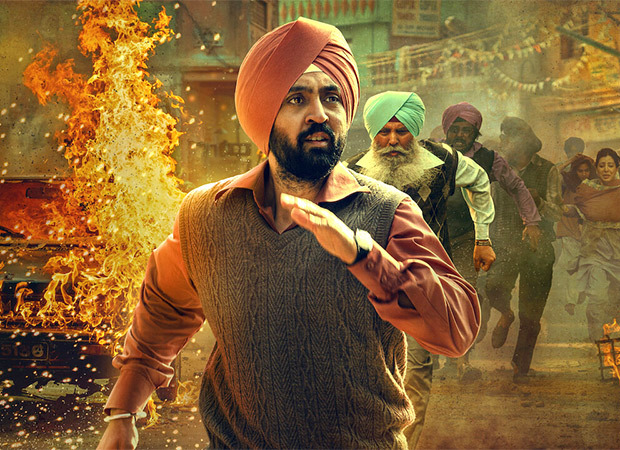
At the same time I can’t help but feel defeated once again at his blatant disregard for what the film is about and the trauma and mentality that should be taken into account when making a film like this.
First the good parts; the violence was depicted quite accurately, and the opening minutes of the film grabbed the attention of viewers straight away. Diljit was clear on his stance that this was orchestrated by the government to wipe out Sikhs, and how the police worked in cahoots with the mobs to track Sikhs down and encourage mass murder. Aside from that the depiction of how weapons, kerosene and other items had been brought in and being supplied were also extremely realistic and close to the truth.
However there were many underlying messages that did not sit right with me or some of my family members who have lived through 1984 and have seen the destruction with their own eyes.
First off, there have never been until date any eye witness testimony that prove that any senior police officers helped any Sikhs escape their fates, in fact many police officers worked with mobs to the point that those Gursikhs who had weapons were disarmed by the police after being reassured they would be protected before being cut down and burnt alive by the mobs. And of course post genocide we know the active role police took in murdering Punjab’s youth and establishing “Punjabi culture” above sikh culture to attempt to remove bravery from the Khalsa panth, to which some extent they have been successful. Having a police officer that helps throughout the film just seems to rub salt in the wounds of those Sikhs who have spent years trying to get justice for what happened to their families at the hands of the police.
The second is the ending of the film which depicts the army saving Sikhs from dying at the end of the film as Jogi dies. Whilst the common narrative is that the army was sent in to maintain order, eyewitness testimony as well as reports gathered by researchers over the years depict that the army also took part in mass killings from the 4-5 of November before finishing off any weaponised sikh strongholds that were causing the mobs problems. After that the army assisted the police in several operations to destroy the Sikhs even down to their genetic coding through operation Shudee karan which allowed for the mass rapings of sikh women to try and taint the sikh blood of the children born to make them weaker and unable to fight back.
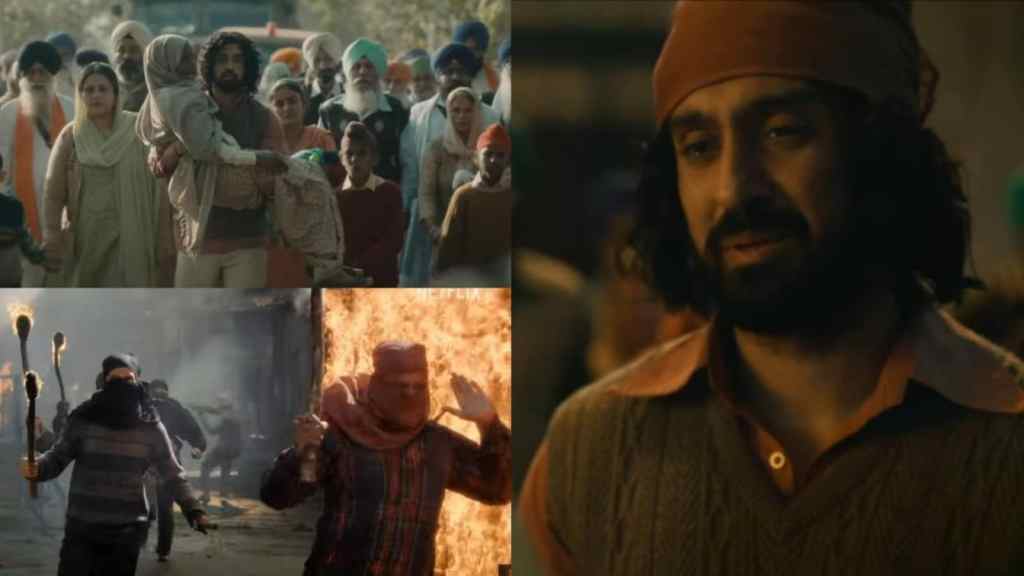
The final and probably the biggest slap in the face of those innocents who died during that time, was once again just like Punjab 1984, Diljit added some sort of romantic element to create a sense of personal revenge to wipe over the state sponsored genocide. Lalli who is a cop is after Jogi not because he’s a sikh and wants to kill him for that but because he had a romantic relationship with his sister, which he didn’t approve of especially after she had gotten pregnant with Jogis child, and committed suicide after Lalli told her to marry someone else. This garbage Heer Ranjha moment was not needed in a film which should have shown the dark side to all of this stuff. This completely defeats the purpose of the film and makes it seem like everything was done out of a personal revenge instead of the complete destruction of the Sikhs something all parties worked towards.
So my final conclusion, watch the film if you choose too, but don’t believe everything you see. It’s a film, it’s not reality. Had Diljit have read Sikh Nasalkushi 1984 a book recently released by Bhai Paramjeet Singh Gazi and veer Ranjit Singh he would have made a more accurate and effective impact. I hope and pray that his upcoming film on Bhai Jaswant Singh Ji Khalra is a lot better than this and cuts the crap, because otherwise, I don’t see how he would be able to recover from messing up the memory of a shaheed singh.
So whilst I commend Diljit for his work, I hope that he understands that for Sikhs there is a very real trauma and mentality that has been passed through generations around 1984. So the next time he chooses to do something similar, I hope he’ll be a bit more sensitive to the sentiments of the Sikhs and portray something more real rather than a Bollywood adaptation.
 Khalsa Diary