A reflection by Dr Jagroop Singh, student of Sikh Studies: Funding none & no conflict of interest
Gurdwaras remain closed under the Covid 19 pandemic restrictions and the potential for any celebratory functions are deemed inappropriate. However, moves are afoot to mark the occasion with an extravagant mega event at Sri Anandpur Sahib on 18 April 2021 together with a host of other supplementary functions. The organization is primarily under the auspices of the Punjab state government but is designed to cement the claims made in a pamphlet titled, “Prime Minister Narendra Modi and his Government’s Special Relationship with Sikhs”. Prime Minister Narendra Modi is also taking charge of a 70-member committee set up by the Center Government to commemorate this event in a “befitting manner” and oversee the entire schedule of events. It is ridiculous that the most important Sikh body, the Shiromani Gurdwara Parbandhak Committee (SGPC) is not taking a lead role but content in “playing second fiddle”. Unfortunately, this clamour to dominate proceedings represents a prized opportunity to make a case for the ‘assimilation’ process. The purpose of this article is to counterbalance likely and predictable distortions and in so doing, ‘safeguard’ ordinary and unsuspecting Sikhs.
The first and foremost point is to appreciate the ‘oneness’ of all ten Gurus and not to differentiate them into individual souls for the sake of convenience or reductionism. The Atmak Jot is the equivalent of luminous energy transfer indicative of the attainment of Guruship and therefore, Oneness with God. This concept is expressed both within the Guru Granth Sahib and related sources like Bhai Gurdas Ji Dian Vaaran. It is both curious and interesting that the Guruship is passed to a ‘child’ in the form of Guru Har Krishan Ji from Guru Har Rai and back to an earlier generation, in the form of a Grand Uncle. Principal Satbir Singh’s research documents a meeting over three days in Delhi between Guru Har Krishan Ji and Tegh Bahadur in the latter part of March 1664. The meeting was the first opportunity for condolences (Parchauni) for the ‘passing’ of Guru Har Rai, due to the extensive and prolonged eastern tour taken by Tegh Bahadur. Tegh Bahadur was instructed to return to the ancestral village of Bakala by Guru Harkrishan Ji, as the ‘Guru in waiting’. Only a few weeks later Guru Harkrishan’s response to the question of the next Guru was the utterance of final words, “Baba Bakala”.
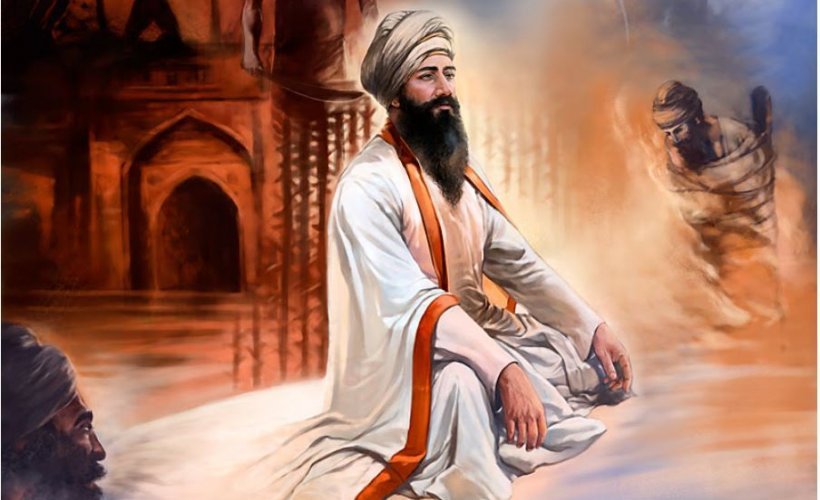
The second aspect is the unique, distinct and consistent Sikh philosophy contained within the Guru Granth Sahib as “Shabad Guru”. And that remains our sole guide as well as the only evaluative parameter. It is also important to note that all compositions within the Granth Sahib Ji are attributed to Nanak even though they were composed in the post-Nanak period by subsequent Gurus. The “Nirbhou and Nirvair” descriptor of Akaal Purkh by Guru Nanak in Jap Ji Sahib is manifest and actualized in the Gurmukh, as stated by Guru Tegh Bahadur: –
ਭੈ ਕਾਹੂ ਕਉ ਦੇਤ ਨਹਿ ਨਹਿ ਭੈ ਮਾਨਤ ਆਨ ॥
Bhae kahu kao det neh, neh bhae manat aan
One who does not frighten anyone, and who is not afraid of anyone else either
(Guru Granth Sahib, page 1427)
ਹਰਖੁ ਸੋਗੁ ਜਾ ਕੈ ਨਹੀ ਬੈਰੀ ਮੀਤ ਸਮਾਨਿ ॥
Harkh sog ja kae nahi, bairi meet samaan.
Guru describes a Gurmukh as one, not affected by pleasure or pain and furthermore, looks upon friend and enemy alike (Guru Granth Sahib, page 1427)
In contemporary times the level of interest and commitment to religion has waned under the dominant influence of technological and economic realities. The current pandemic restrictions actually present an opportunity for quiet reflection within family units to consider our spiritual health and wellbeing? This will be an alternative to the razzmatazz of exuberant massive gatherings. In order to gain a quick but genuine understanding of Guru Tegh Bahadur Ji, it may be useful to concentrate on 3 areas: –
- Nauven Patshah De Salok, which constitute the final and concluding part of the Guru Granth Sahib. Mostly heard at the celebratory part of the Akhand Paath and Sehaj Paath (pages 1426-9)
- Reference within the “Vaar Sri Bhagoti Ji Ki” (Ardas) to Guru Tegh Bahadur
- The shaheedi of Guru Tegh Bahadur and his 3 companions in Chandni Chowk. All Sikh Gurus embodied the essence of total sacrifice and service for the good of others.
There are a total of 52 Saloks dealing with emotional issues and enabling the development of emotional intelligence. Above all it is a reflection of a life journey with inevitable regrets and lamentation, often referred to as “Bairaag Bani”. This is epitomized by the transience of life and inevitable death marred by meaningless attachment to worldly things (both material & relationships). Invariable procrastination in spiritual self-development leads to regret in the final chapter of life. The content of the Saloks is a remedy to these ‘short comings’, through inference and direction. The following themes of the Saloks offer a way of liberation (Mukti) from attachment, fear and dependency: –
ਗੁਨ ਗੋਬਿੰਦ ਗਾਇਓ ਨਹੀ ਜਨਮੁ ਅਕਾਰਥ ਕੀਨੁ ॥
Gun Gobind gaio nahi janam akarath keen,
Kaho Nanak Har bhaj mana jih bidh jal ko meen. ||1||
(Guru Granth Sahib, page 1426)
The relationship with God is important as that of water to fish. However, by not praising the Lord people waste their lives. The reason for this distraction is an obsession with material wealth and worldly relationships above the primacy of God. This sentiment is repeated many times within the Guru Granth sahib: –
ਜਨਮੁ ਪਾਇ ਕਛੁ ਭਲੋ ਨ ਕੀਨੋ ਤਾ ਤੇ ਅਧਿਕ ਡਰਉ ॥
Janam paee kuchh bhalo na kino, ta te adhik darao.
Having obtained this human incarnation, I haven’t done any good deeds, making me very afraid! (Guru Granth Sahib, page 685)
And
ਗੁਰਮਤਿ ਸੁਨਿ ਕਛੁ ਗਿਆਨੁ ਨ ਉਪਜਿਓ ਪਸੁ ਜਿਉ ਉਦਰੁ ਭਰਉ ॥
Gurmat sun kachh gian na upjio, pusoo jion udar bharao.
I listened to the Guru’s Teachings, but spiritual wisdom did not well up within me; like a beast, I simply filled my belly (gluttony). (Guru Granth Sahib, page 685)
ਧਨੁ ਦਾਰਾ ਸੰਪਤਿ ਸਗਲ ਜਿਨਿ ਅਪੁਨੀ ਕਰਿ ਮਾਨਿ ॥
Dhan dara sampat sagal, jin apuni kar maan.
Wealth, spouse, and all the material possessions, are all yours?
ਇਨ ਮੈ ਕਛੁ ਸੰਗੀ ਨਹੀ ਨਾਨਕ ਸਾਚੀ ਜਾਨਿ ॥੫॥
In main kuch sangi nahi, Nanak sacho jaan. ||5||
Yet, none of these shall go along with you in the end, so reflect on this truth, says Nanak ||5|| (Guru Granth Sahib, page 1427)
ਸੁਖ ਮੈ ਬਹੁ ਸੰਗੀ ਭਏ ਦੁਖ ਮੈ ਸੰਗਿ ਨ ਕੋਇ ॥
Sukh mai baho sangi bhae, dukh mai sang na koe.
In good times, there are many companions but in bad times, there is no one at all.
ਕਹੁ ਨਾਨਕ ਹਰਿ ਭਜੁ ਮਨਾ ਅੰਤਿ ਸਹਾਈ ਹੋਇ ॥੩੨॥
Kaho Nanak Har bhaj mana ant sahai hoe. ||32||
Says Nanak, vibrate, and meditate on the Lord; He shall be your only Help and Support in the end. ||32|| (Guru Granth Sahib, page 1428)
ਜਤਨ ਬਹੁਤ ਸੁਖ ਕੇ ਕੀਏ ਦੁਖ ਕੋ ਕੀਓ ਨ ਕੋਇ ॥
Jatan bahut sukh ke keye, dukh ko keyo na koe.
People make all sorts of efforts to find peace and pleasure, but no one seeks pain.
ਕਹੁ ਨਾਨਕ ਸੁਨਿ ਰੇ ਮਨਾ ਹਰਿ ਭਾਵੈ ਸੋ ਹੋਇ ॥੩੯॥
Kaho Nanak sun re muna, Har bhavai so hoe. ||39||
Nanak says, whatever pleases God will happen. ||39||
(Guru Granth Sahib, page 1428)
A familiar passage from the Ardas;
ਤੇਗ ਬਹਾਦਰ ਸਿਮਰਿਐ ਘਰਿ ਨਉ ਨਿਧਿ ਆਵੈ ਧਾਇ ॥
“Guru Tegh Bahadur Simarye, Ghar Nau Nidh Avye Dhae, Sab Thain Hovye Sahae”, translates as ‘meditate upon Guru Tegh Bahadur and the Nine Treasures will come into your body/life (Ghar)’. Actually, this reference is less to worldly goods but more to the spiritual realm. This is endorsed throughout the Guru Granth Sahib Ji:
- Bharosa – Faith
- Leenta – Truly absorbed, an absolute attachment to God
- Santokh – Contentment
- Bairaag – Detachment from worldly possessions
- Hukam – Acceptance of and total surrender to the will of God
- Sehaj – Equilibrium and equipoise of the mind
- Anand – Perpetual delight and permanent joy
- Vismaad – Ecstasy, joy & wonder
- Nudar – God’s grace, as in Jap Ji Sahib, Pauri No. 38
ਨਾਨਕ ਨਦਰੀ ਨਦਰਿ ਨਿਹਾਲ ॥੩੮॥
Nanak nadri nadar nihal. ||38||
O Nanak, the Merciful Lord, by His Grace, uplifts and exalts them. ||38||
The nine treasures are derived from the Naam as opposed to immediate material reward for and from dubious religious ‘practice’. This signalled a fundamental departure from earlier Indian Yogic traditions with Gurbani emphasizing the attainment of Naam as the primary focus of love and devotion to God:
ਨਉ ਨਿਧਿ ਨਾਮੁ ਨਿਧਾਨੁ ਹਰਿ ਮੈ ਪਲੈ ਬਧਾ ਛਿਕਿ ਜੀਉ ॥੮॥
Nau Nidh Naam Nidhaan Har, mae palae badha chhik jeo. ||8||
I have firmly attached the Name, the Home of the Nine Treasures, to my robe. ||8|| (Guru Granth Sahib, page 73)
ਨਾਨਕ ਨਾਮੁ ਜਪੇ ਨਾਉ ਨਉ ਨਿਧਿ ਪਾਏ ॥੪॥੧੧॥੩੧॥
Nanak Naam jape Nao, Nau Nidh pae. ||4||11||31||
O Nanak, chanting the Naam, the nine treasures of the Name are obtained. ||4||11||31|| (Guru Granth Sahib, page 161)
Aurangzeb was noted to be a bigoted and zealot ruler intent on forced conversions of his subjects into the Islamic faith. The Hindu Brahmins of Kashmir became the focus of this policy, as they were the ‘pinnacle’ of learned and influential thinkers. If the opinion leaders were to accept the Islamic way of life the rest of the country would follow suit without too much resistance. As the tyrannical pressure intensified on the Hindus they sought the help of a flourishing Sikh religion based at Anandpur Sahib, in the Shiwalik foothills.
The deputation of Kashmiri Brahmins went through the intermediary, Kirpa Ram who was a long-term follower of Sikhism. Guru Tegh Bahadur gave an empathic hearing to the plight of Kashmiri people and promised his full support in maintaining the principle of, “freedom to practice one’s faith”. A socio-political challenge of Guru Tegh Bahadur, being the ‘defender of the faith’, was issued and communicated to the Mughal authorities. The clear and obvious consequences of this action meant the Guruship being passed onto Gobind Rai before Guru Tegh Bahadur, accompanied by 5 Sikhs departed on a preaching tour towards Delhi/Agra. Guru Tegh Bahadur and the 3 Sikhs, Bhai Sati, Bhai Mati & Bhai Dyala were arrested in Agra and subsequently taken to Delhi. For the sake of clarity, 2 Sikhs from his party had been sent back to Anandpur Sahib prior to the arrest. All 3 Sikhs accepted their physical death without any fear or objection before the final beheading of the Guru Tegh Bahadur in Chandni Chowk. The act of defending the human rights of people and freedom to practice their faith without prejudice is consistent with Guru Nanak’s philosophical stance:
ਜਉ ਤਉ ਪ੍ਰੇਮ ਖੇਲਣ ਕਾ ਚਾਉ ॥
Jao tao prem khelaṇ ka chao.
If you desire to play this game of love with Me,
ਸਿਰੁ ਧਰਿ ਤਲੀ ਗਲੀ ਮੇਰੀ ਆਉ ॥
Sir dhar tali gali meri aoh.
Then, step onto My Path with your head in hand.
ਇਤੁ ਮਾਰਗਿ ਪੈਰੁ ਧਰੀਜੈ ॥
It marag paer dhareejai.
When you place your feet on this Path,
ਸਿਰੁ ਦੀਜੈ ਕਾਣਿ ਨ ਕੀਜੈ ॥੨੦॥
Sir dijai kaan na kijai. ||20||
Give your head without fear or hesitation||20||
(Guru Granth Sahib, page 1412)
Finally, religious celebrations need to be initiated and carried out by the appropriate bona fide institutions and not hijacked by ‘outsiders’. External bodies are forcing their identity perspective upon the Sikh community. It is incumbent for the head organizations like the SGPC to rebut this undue influence and interference in Sikh matters. This level of encroachment in areas of their jurisdiction should not be tolerated. This level of inaction is not only a cause of concern but also a major disappointment, suggestive of complicity and collusion.
References:
Guru Granth Sahib Ji
Prime Minister Narendra Modi and his Government’s Special Relationship with Sikhs (published by Ministry of Information and Broadcasting) 30 November 2020
Modi, Narendra P. M. (2020) 400th Birth Anniversary of Guru Teg Bahadur: 70 – member Committee set up (DD News on YouTube, 25 October 2020) Retrieved 8 March 2021
Khalsa, Parkash Kaur (2016) Guru Teg Bahadur and the Nine Worldly and Spiritual Treasures (Sikh Dharma International)
https://www.sikhdharma.org/guru-teg-bahadar-nine-treasures/
Singh, Satvir Principal () Ushtam Balbira; Jeevanie Guru Har Krishan (Panjabi book, 2nd edition) page 113
 Khalsa Diary