By Rajveer Singh, Head Of Khalsa Diary; funding and conflict of interest, none
Sikhi is all about the experience. The theory of Sikhism is relatively simple to understand, but implementation is the most challenging step.
Now that I have turned 20 today, I thought sharing my journey would be a good idea. This is also one of the most requested things I’ve been asked to write.
So who is Rajveer? Well, honestly, I still don’t know myself. Only Waheguru knows what’s in store for me, but I can try and explain what I’ve experienced these past 20 years or so.
I was born on Thursday, 3rd May 2001, and during the Naam Sanskar, I was given the name Rajveer Singh.
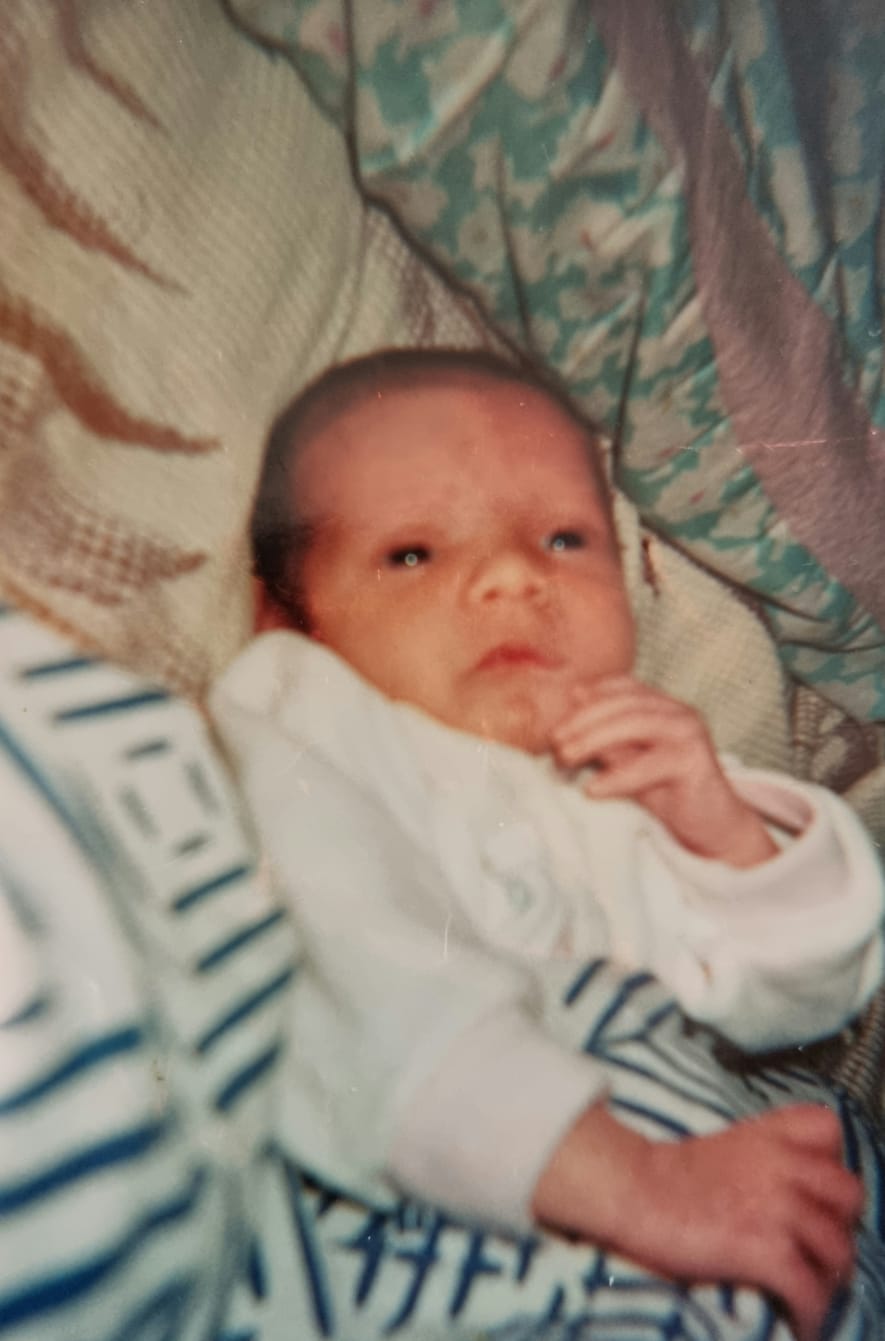
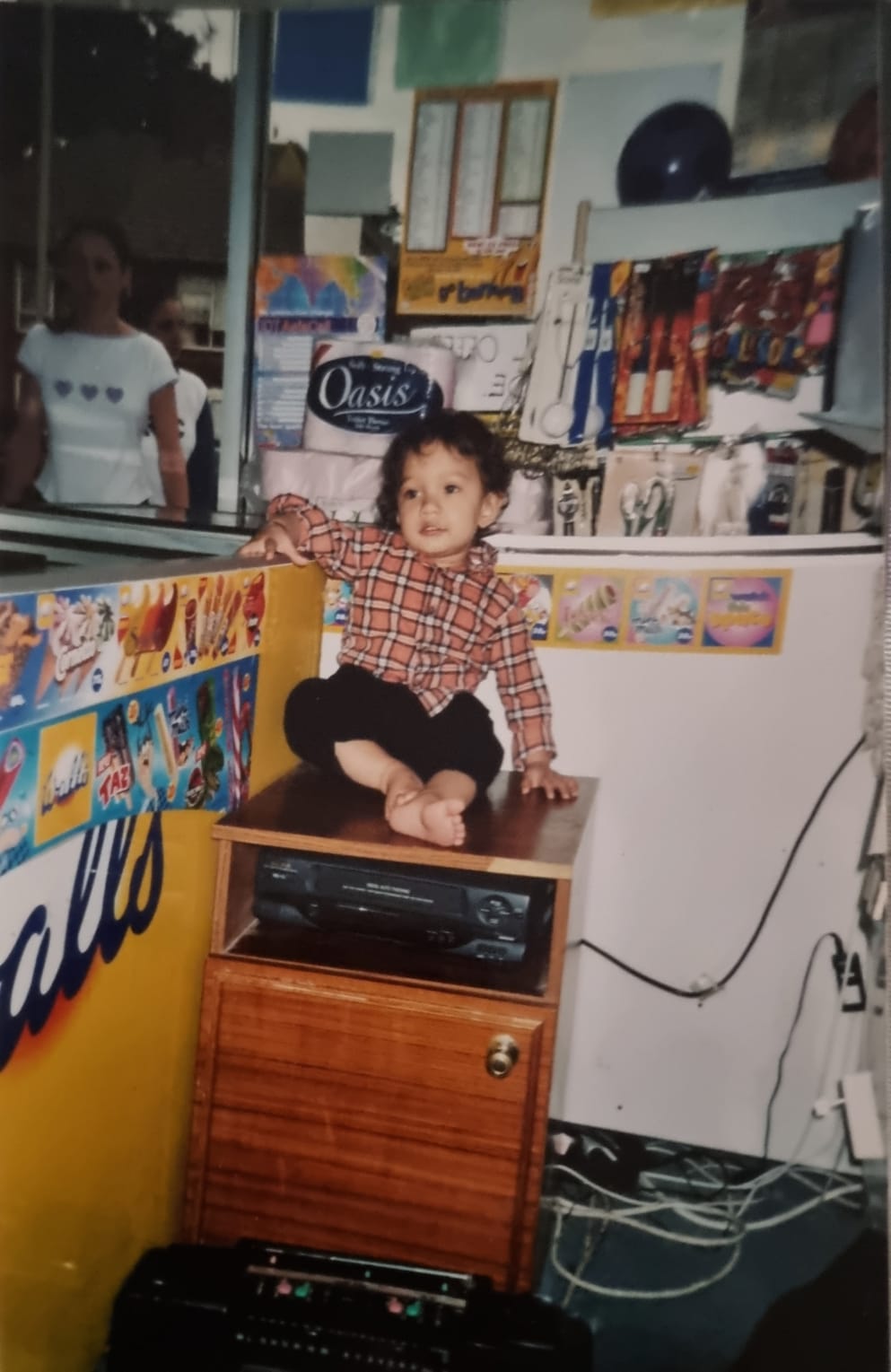

My parents, who both came from Sikh households, had their problems which meant they were away from Gursikhi for a few years. However, I’m told that when I was born, things began to change. My father began keeping his hair again, and my mother ensured that I had a healthy environment to grow up in.
To my two sisters, I’m known by many names; Raj, Rajeh, monkey, penguin, panda. My sister’s helped keep me grounded, ensuring that I didn’t miss out on anything in life.
From the age of 5 onwards, my dad spent every night recalling Sikh history to me as a bedtime story. The stories of Baba Banda Singh Bahadur, Maharaja Ranjit Singh, Baba Deep Singh Ji were priceless tales. It was better than Disney in every way. These tales from history made me want to take Amrit, and I would always beg my dad to let me do it. But my dad never let me at the time because he knew I couldn’t handle the responsibility.
When I was 6, I began my first martial arts class at Shin Kin. Back then, I was still in Leicester. I always had a thing for martial arts and I would always spar with my dad.
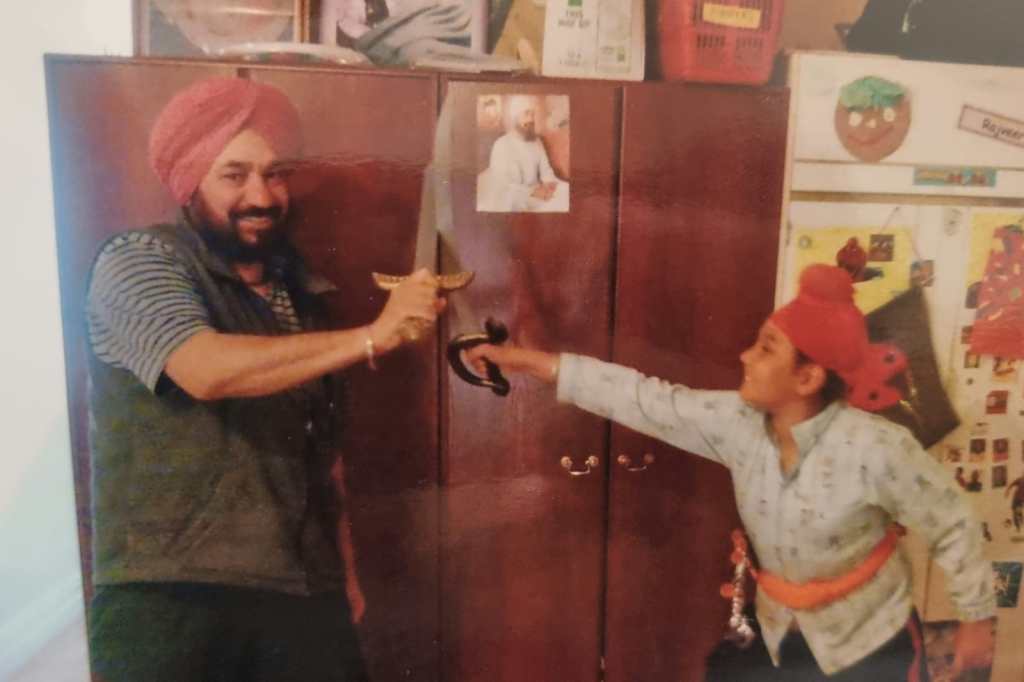
Along with this, Punjabi school started to become part of my life. It got to a point where I would spend most of my days at the Gurdwara after school.
Now I’m sure this seems like the perfect lifestyle, the ideal way for a Sikh to grow up. But honestly, at the time, I didn’t care. Learning Kirtan, Katha, Santhiya, Punjabi were all things that my parents wanted me to do. But honestly at the time I didn’t care for it at all. And just like anything you don’t care for, it becomes easy to hate it.
When I entered secondary school, my hatred started to set in. Whilst I seemed like the model student, I spent most of my days getting into fights or getting bullied; many times by people I considered my closest friends. I began forming this dual personality where at home I would pretend like I was interested in Sikhism, and at school, I would just be like any other kid. Social media wasn’t as huge as it is now, so no video would go viral either when I was getting my patka taken off at school.
Then in 2011, I started learning Gatka. My Ustaad was someone who could joke about anything, but even in his jokes, he always had something to teach me. He taught me to be strong and not to take crap from anyone.
Around the same time, I was in trouble at school, and my form teacher called me for a private meeting. Honestly, I was scared because she was always so lovely to me, and she was the one person in the whole school I never wanted to disappoint. Yes, I was a bit of a teacher’s pet. I don’t care. She was an RE teacher, and she said something to me that I still remember to this day. She said, “people will always say things, but it’s your choice whether you turn it into a strength or weakness. Until you’re not comfortable in your own skin, you will never get anywhere.” Those words stuck with me. I spent my whole time worrying about what my parents wanted, what my teachers wanted, and they became excuses for me. And because I was never comfortable with myself, I started to question my faith in Sikhism.
A month later, my dad joined the gym at my local Gurdwara. So he would take me along with him. But I would spend my time aimlessly walking around the Gurdwara because there was nothing to do. One day I noticed that the Gurdwara Library was open. The library was huge, and there was never anyone there. I spent the next week staring at it from outside, never entering. When The Uncle Ji, who was doing seva in the library, would ask me to come in, I would run away.
One day I entered the library and noticed that the library was empty. So I decided to stand guard just in case if someone tried something. So whilst I was playing hero, I saw a book called “Tales Of Truth” by Santokh Singh Jagdev. Naturally, I picked it up and started reading it. It was a book about Sikh martyrs, and despite some of the facts being incorrect, it was new knowledge. The Uncle Ji, who was usually at the library, arrived and just watched me read. I just sat there and read the book, and my dad spent an hour looking for me before checking the library. When dad found me, he noticed as well that I was utterly stuck in the book. So he signed me up to the library in the meantime and then took me home.
After that, I spent two or three years reading books in that library, learning different things, from Gurbani to Sikh history to Sikh philosophy. Those books made me want to visit the places where those things happened. So in 2014, the whole family spent the summer in India, and we went around India visiting the different gurdwaras. That was the first time I acknowledged just how unique our history was. On the night of 17 August, we decided that our next stop would be Takht Sri Kesgarh Sahib. And that night, I went to my dad and told him that no matter what happens, I’ll be taking Amrit when we go. So my Dad, Mum and I took Amrit on the 18th of August 2014. And honestly, that was an experience that can’t be put into words.
When I came back to Britain, the real test began. Armed with a Kirpan and a Dumalla, I was about to face my school once again. But to be completely honest, I wasn’t the same person I was. I felt more rational, I could explain myself, and I wasn’t afraid; no matter how many people came to fight me, I would stand my ground and fight.
In June 2015, we moved from Leicester to Birmingham. That made my life a lot more complicated. Because in Leicester, I had Sangat, people to talk to who I knew well. Spending 2 years without Sangat made things difficult again. But Akaal Purakh always has plans. In 2017 I was at my regular Kirtan class, and I ran into my Ustaad’s son, someone I hadn’t seen in a very long time. We instantly reconnected, and I began training again. I finally had that Sangat again that I was missing.
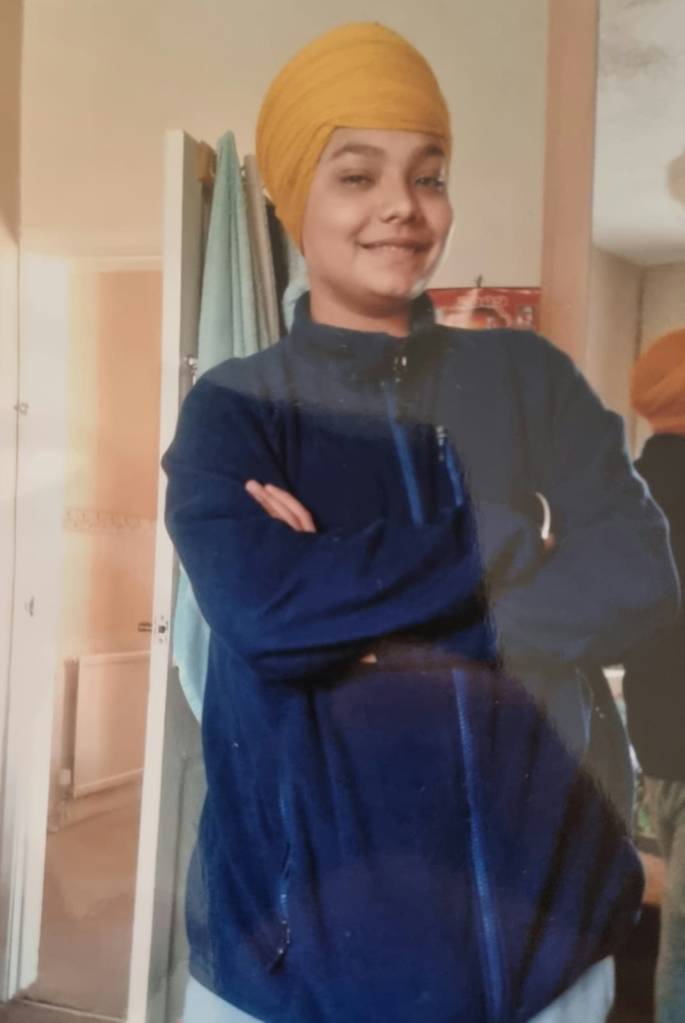
Now I was regularly going to programs doing Kirtan, learning Gatka and improving my skills. But there was still something missing. Even with Sangat outside of school, I had no one in school I could chill with. A lack of Sikhs in my school meant that I felt worse than I did in Leicester. And I was the new kid as well, which didn’t help either. And being one of the only Sikhs in my school, I was constantly questioned about my religion. Many questions which I had never thought about. Doubt began settling in once again whether or not there was a point in keeping my Rehat. I questioned it many times.
In April 2016, I heard about the Shaheedi of Jathedar Harminder Singh Ji Nihang from the Khalistan Liberation Force. I knew the basics about 1984, but I had no idea what happened or to what extent these things happened. Whilst I was at home, I stumbled on a book Dad had brought me a while ago. It was Jarnail Singh’s, “I accuse”. When it was released, I was pretty young, so my sister wouldn’t let me read it. Also, I wouldn’t have been able to understand it at the time either. So I started to read that book, and it began to open my eyes to the current situation. I used to be one of the biggest advocates for Hindu and Sikh brotherhood. I used to say that we were the same. But that book made me change my mind. I never hated Hindus, but it made me question how Sikhs could still say that after all the destruction and anarchy.
That made me research 1984 and Sant Jarnail Singh Khalsa Bhindranwale. A fearless Sikh who never accepted defeat. His speeches, his letters, everything he said and did was for the betterment of the Panth. It was never for his benefit. Never once did he ever place his own political agenda because for him Sikhi was everything. And for the betterment of Sikhi, he would do anything.
When researching I stumbled upon Bhai Bharpur Singh Balbir’s speech at Manji Sahib Diwan hall. And even today, it makes so much sense.
On 6th June 2019, I joined Akaal channel. On my first weekend, I was sent to Gravesend with a presenter to cover a seminar. And that’s where I met Jathedar Mohinder Singh Ji. He fascinated me because, through my own experiences, I had separated myself from the older generation. The main reason was that I couldn’t understand how the older generation saw everything that happened in 1984 and never talked about it. None of them were interested in carrying out Sant Jarnail Singh’s mission either, which was to fill the kaum with the same emotion or “ਜਜ਼ਬਾ” it had in 1699 when Guru Gobind Singh Ji asked for a head or in Chamkaur sahib when the Singh’s fought fearlessly in battalions of five.
But all of a sudden, someone was willing to carry out that mission. Someone who happily talked about Sikh history and had answers to the questions I had. It took me a while to ask them for help; it’s like they say, “ਦਿੱਲ ਵਿਚ ਚਾਅ ਚਾਹੀਦਾ, ਤੇ ਰਾਹ ਪ੍ਰਮਾਤਾ ਬਣਾ ਦਿੰਦਾ”. The university project for my first year was to create a documentary about something linked to your background. Naturally, I took this opportunity to talk about the fascist Indian state, and Jathedar Mohinder Singh Ji was more than happy to help me with it.
Since then, I’ve been under their wing, focusing on our ideology, philosophy and history. My situation only improved when I met Kiranpreet Kaur Ji, another scholar who somehow manages to put up with me. The most inspiring thing about her is that she tackles our Sikh issues in an academic format, which we commonly lack. Her way of articulation and her way of research always impress me. Honestly, most of the time, I see both Jathedar Mohinder Singh Ji and Kiranpreet Kaur Ji as these two superheroes flying in the air, and I’m trying to catch up on a bicycle. But despite that, both of them are amazing and I hope that one day I will reach that level of spiritual knowledge.
So yeah, 20 years. Honestly, I can’t believe it. I never thought that I would have my own website, a platform, or even talk at a seminar. But with Waheguru’s Kirpa I have all of those things and much more. I’m still a kid in many ways. I still watch anime. I still get lost in my imagination. I still play video games. But I like to think I’m pretty mature for my age. And it helps when people call up and find out I’m only 20, but they think I’m a lot older. Maybe I should be more insulted by that?
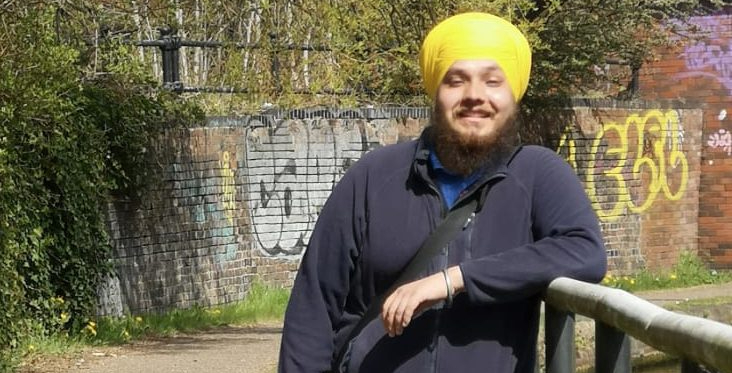
But what I can say is that I’m grateful for all the people in my life. Even for all the people who hate me and can’t stand Singh’s like me talking about Sikhi. That could be my brothers who keep me in the real world and stand with me like a wall if I ever need them. My sisters who remind me to take a break or my friends who support me always. My Sikh society members who keep me on task, or my teachers, whether they’re in university or outside, who provide me with worldly and spiritual knowledge every day. Or those of you who can’t sleep without killing me in your dreams, at least someone has the guts to try, even if it is imaginary. So a big thank you to everyone in my life.
Special thanks to Guru Sahib, who is keeping me on the path to do the truth. Without whom nothing I have would have ever happened. Hopefully, I’ll be able to make it to the age of 21 next year, and even if I don’t, my only Ardas, Guru Sahib, uses my little life to help the Panth in any way they see fit.
 Khalsa Diary
👌👌👌
LikeLike