Article by Rajveer Singh, Head of Khalsa Diary
Funding none, Conflict of interest none
Following a recent tweet by the British Sikh Association, which has repeatedly shown just how much knowledge the Kaum’s lacking, I thought it best to clear up a few things.
A common misconception among many Sikhs is that we should have one leader. This is mainly due to the effects of Westernism. Everyone is looking to appoint a single leader or a Jathebandi or group. This could be the British Sikh Association, the Sikh Council, the President of a Gurdwara committee, or even a huge organisation like the SGPC.
The fact of the matter is, you can’t have one leader of the Sikhs. Our ideology is of five. From the moment the Khalsa Panth was created, no single leader has to lead the Panth. The Panj Pyare, who symbolised the “Guru Khalsa Panth”, was not something Guru Gobind Singh Ji came up with overnight.
The term “Khalsa” has a baseline meaning of pure. However, as per Mahan Kosh, written by great scholar Bhai Kahn Singh Nabha, Khalsa is also a term used to describe a ruler. And like I already explained in my previous article, “Guru Granth Sahib Ji: The route to sovereignty”, sovereignty is heavily engrossed within the Sikh ideology.
When talking to Sikh Scholar Mohinder Singh Khaira, he said that “ਸਿੱਖ ਕੌਮ ਦਾ ਕੌਮੀ ਸਰੂਪ ਖਾਲਸਾ ਪੰਥ ਹੈ, ਅਤੇ ਖਾਲਸਾ ਪੰਥ ਦਾ ਸਵਿਧਾਨ ਹੈ ਗੁਰੂ ਗ੍ਰੰਥ ਗੁਰੂ ਪੰਥ”. When translated, this means that; the Sikhs communal name is the Khalsa Panth, and the Khalsa panth follows the constitution of “Guru Granth Guru Panth”.
Now the “Guru Granth Guru Panth” follows the idea of “Jot and Jugat”. The idea that the Jot, i.e. the soul or the Gurgaddi, is with Guru Granth Sahib Ji Maharaj and that soul is reflected within the Khalsa Panth, who, along with Guru Granth Sahib Ji, has been given the Gurgaddi.
So just like Guru Gobind Singh Ji Maharaj said, the Panj Pyare represent the Guru, not by their own views but by being the embodiment of the Guru. Therefore the Panj Pyare must be chosen by the Gurus Panth, i.e. the Sarbat Khalsa.

Now, who is counted as part of the Sarbat Khalsa? Well, anyone who is part of the Khalsa Panth. As per our Sikh Rehat Maryada, we have to concepts, “ਸ਼ਕਸ਼ੀ ਰਹਿਣੀ”, which is essentially living as a Sikh normally and then “ਪੰਥਿਕ ਰਹਿਣੀ” which is when you decide to do things for the panth. When you are living as a normal Sikh in the world, you should strive to follow the teaching of the Guru’s, you should believe in the Guru’s Amrit, and even if you have not taken that step, you should be working towards that eventually. However, when you decide to talk for the Panth and represent the Panth in any sort of way, you have to be part of the Panth first. And even a Patit (cleanshaven) Sikh can join the panth by taking Amrit, but until then, they should not be leading the Panth in any way.
This applies to Ragi Singhs, Granthi Singhs, Kathavachaks, and leaders of Jathebandis or any Sikh related organisation. After all, the Sikh Rehat Maryada is for all to follow, not just for Amritdharis. Now for those people who want to try and be “smart” and say that the Khalsa Panth and Sikhism are two separate things, it looks like you have fallen subject to false teachings.
Sri Gur Sobha is a collection of Kavi Sainapats poems written in 1710. Kavi Sainapat was one of Guru Gobind Singh Ji’s 52 court poets. In Sri Gur Sobha, on page 20, Kavi Sainapat has written “ਪੂਰਬ ਦੀ ਸੰਗਤ ਗੁਰੂ ਦਾ ਖਾਲਸਾ ਹੈ”, where he describes how Guru Hargobind Sahib Ji our sixth Guru refers to the Sikh Sangat as “Guru da Khalsa”. This is the same for the ninth Guru, Sri Guru Tegh Bahadur Ji, who referred to the Sangat as “ਸ੍ਰੀ ਗੁਰੂ ਜੀ ਦਾ ਖਾਲਸਾ”. So after the 6th and 9th Guru call the Sangat the Khalsa, then it is not strange for Bhai Gurdas Singh Ji to write:
ਗੁਰ ਸੰਗਤਿ ਕੀਨੀ ਖਾਲਸਾ ਮਨਮੁਖੀ ਦੁਹੇਲਾ
The company of the holy adore the Khalsa, whilst the bystanders remain distressed.
This means that the rules that the Khalsa now abides by were also present during the previous 9 Gurus and the 10th. And that is proven many times throughout Bhai Gurdas Ji’s Varan and Guru Granth Sahib Ji.
Bhatt Gayandh writes in Sri Guru Granth Sahib Ji on Ang 1401:
ਗੁਰੁ ਨਾਨਕੁ ਨਿਕਟਿ ਬਸੈ ਬਨਵਾਰੀ |
Guru Nanak dwells near the Creator Lord.
ਤਿਨਿ ਲਹਣਾ ਥਾਪਿ ਜੋਤਿ ਜਗਿ ਧਾਰੀ |
He established Lehnaa as Guru, and enshrined His Light in the world.
ਲਹਣੈ ਪੰਥੁ ਧਰਮ ਕਾ ਕੀਆ|
Lehnaa established the path of righteousness and Dharma,
ਅਮਰਦਾਸ ਭਲੇ ਕਉ ਦੀਆ |
which He passed on to Guru Amar Daas, of the Bhalla dynasty.
Similarly Bhai Gurdas Ji writes:
ਮਾਰਿਆ ਸਿਕਾ ਜਗਤਿ ਵਿਚਿ ਨਾਨਕ ਨਿਰਮਲ ਪੰਥ ਚਲਾਇਆ |
In the world, he (Nanak) established authority of his doctrine and started a religion devoid of an impurity.
ਥਾਪਿਆ ਲਹਿਣਾ ਜੀਂਵਦੇ ਗੁਰਿਆਈ ਸਿਰਿ ਛਤ੍ਰੁ ਫਿਰਾਇਆ |
During his life time he waved the canopy of Guru seat on the head of Lahina(Guru Angad) and merged his own light into him.
(BHAI GURDAS J’S VAARAN VAAR 1 PAURI 45)
So as per Gurbani and Bhai Gurdas Ji’s writings, which is accepted by the Panth, the Guru, the Sikh kaum and the Khalsa Panth cannot be separated because the “Jot and the Jugat” work together to lead the Panth.
Looking into our rich history, when Baba Banda Singh Bahadur establishes the Sikh Kingdom, he referred to his court as the Darbar-e-Khalsa. And Baba Banda Singh Bahadur was also given Panj Pyare by Guru Gobind Singh Ji Maharaj and told to obey their commands and recognise them as his own.
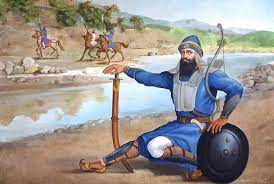
Similarly, even Maharaja Ranjit Singh was not the leader of the Sikh panth. He was simply the ruler of the Sikh empire. In the Sarkar-e-Khalsa, which he named his own court, he still answered to the Akal Takht and the Panth.
Even Giani Ditt Singh Ji, one of the greatest Sikh Scholars of Sikh History, named his newspaper in the Khalsa name the “Khalsa Akhwar”, as a way of offering it to the Panth.
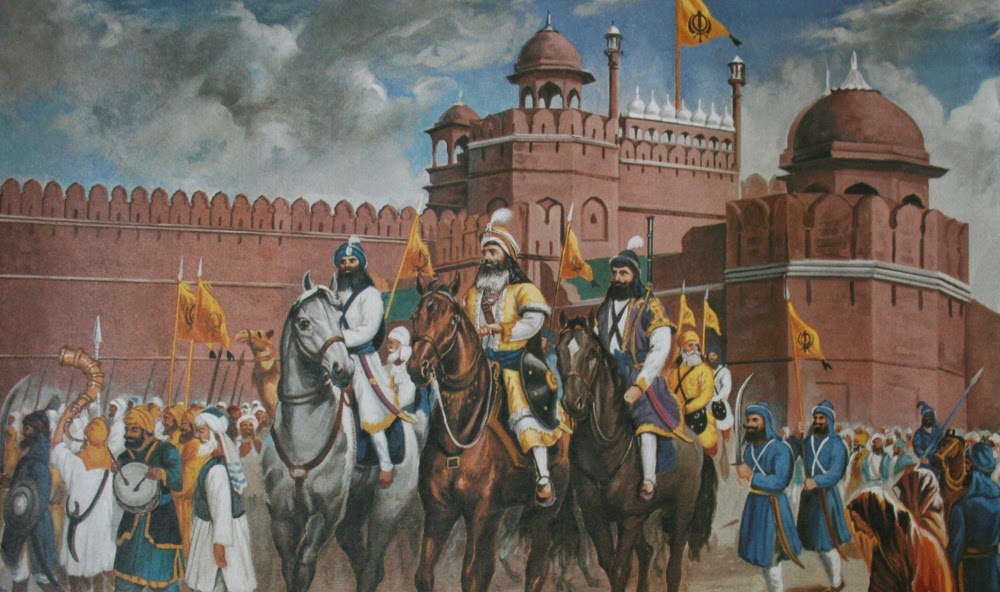
When the Khalsa captured Delhi under Sardar Baghel Singh Ji, the Sikhs did not agree with one person sitting on the throne. So after the five jathedars sat down and discussed, the Gurmata (decision) was that the throne would be thrown in the feet of the Akal Takht and left there, as a sign that there is no throne above the Akal Takht.
When the Sarbat Khalsa occurred during the Misl period, the kaum would choose Panj Pyare. The Khalsa Panth would all agree on the Panj Pyare together, and they would then reach a decision. The Akal Takht Jathedar would then read out the Gurmata and ensure that the Gurmata is carried out throughout the year.
So as far as why we haven’t had any great leaders after Maharaja Ranjit Singh, we have had plenty of leaders, but the Kaum has failed to recognise them due to statements like this. Secondly, the democratic system of election is not our own; it is not a system that the Guru’s endorsed. The Panth has always been about selection and not an election. Finally, our Gurus gave us the Leadership of 5, not of 1.
So the quicker we understand that, and we ensure that the Panth decides the leadership, we will have plenty of great leaders like Maharaja Ranjit Singh, Sant Jarnail Singh Ji, Baba Deep Singh Ji and the thousands of other Singhs that put the Khalsa Panth first, and their minimal leadership last.
 Khalsa Diary