Article By Rajveer Singh
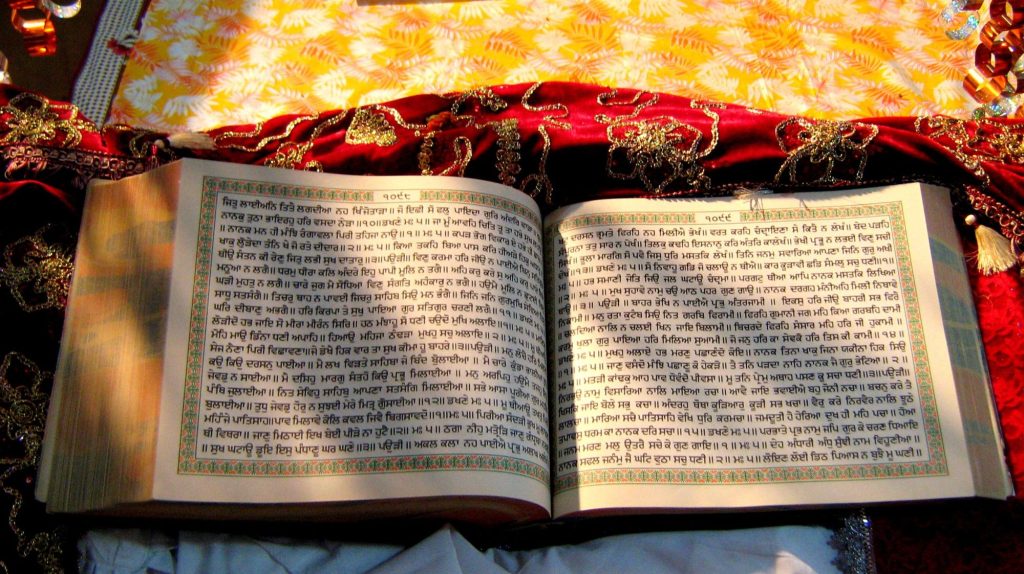
Sovereignty is defined as an independent, autonomous land or state that is ruled by free people. This concept is something that Sikhs are brought up with, as they recite the Dohra in Ardas (Formal supplication):
ਰਾਜ ਕਰੇਗਾ ਖਾਲਸਾ ਆਕੀ ਰਹੈ ਨਾ ਕੋਇ
The Khalsa (Pure) will rule, and the impure will be vanquished
Despite this, in the modern world, colonialism has clouded the judgement of many Sikhs, causing many youngsters to question the concept of sovereignty and freedom within the Sikh religion. As this was not written in Guru Granth Sahib Ji, this has also lead to trolls misleading the public as to the importance of sovereignty in the Panth.
Having said that, many people do not realise that the concept of “Raj” or “Azadi” is well explained within Guru Granth Sahib Ji. But for a Sikh, what does sovereignty and freedom mean?
Well for Sikhs the concept of “Azadi” means that they should be ਸਤੰਤਰ (independent), both within themselves and also within the world. Sikhs should be ਨਿਰਭਉ (without fear) and ਨਿਰਵੈਰ (without hatred) and in doing so, they become the embodiment of Akaal Purakh (Timeless One) on this world. Not only that, but Guru Granth Sahib talks about many levels of freedom such as:
- Human rights – If people lived in a world where human rights were accepted throughout the world and no one tried to deny them would we have so many wars and issues we have now? In a time where human rights never existed, women-rights never existed, the Sikhs were around to stand up for human rights.
- ਹਲਤ ਪਲਤ ਦੀ ਅਜ਼ਾਦੀ – being free in this world and in the next, out of the cycle of reincarnation and merging into the One Akaal Purakh Waheguru.
- Corruption of Governments – how Sikhs should handle corruption, and what to do if corruption starts to cloud the judgement of rulers and cause pain to others that live around you.
- Your mind should never be a slave to people – That doesn’t mean that you challenge authority but instead challenge tyranny.
- Only follow the one True God – There is no mediator in between, so we should not be foolish enough to follow fake godmen.
As per Guru Granth Sahib Ji, Bhagat Kabir Ji writes
ਕੋਊ ਹਰਿ ਸਮਾਨਿ ਨਹੀ ਰਾਜਾ ||
There is no king equal to the Lord.
ਏ ਭੂਪਤਿ ਸਭ ਦਿਵਸ ਚਾਰਿ ਕੇ ਝੂਠੇ ਕਰਤ ਦਿਵਾਜਾ ||੧|| ਰਹਾਉ ||
All these lords of the world last only a few days, putting on their false displays ||1|| Pause ||
(ANG 856)
Through this Pangti, Bhagat Kabir Ji proves that those kings who don’t act according to God, do not see their company and people as the forms of God either. Therefore they misguide, hurt and betray the people who made them kings in the first place.
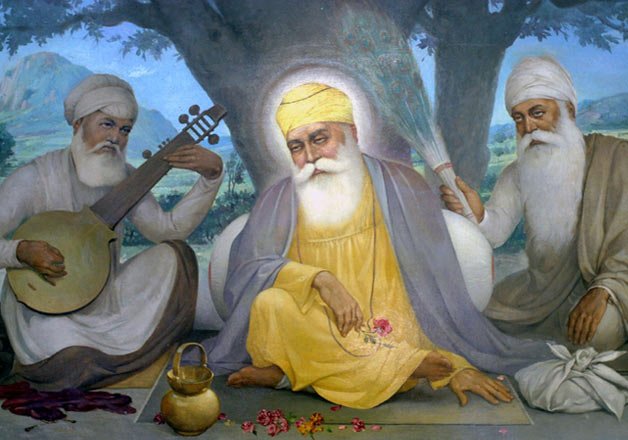
If we take this further and look at the ਧਰਮ ਯੁੱਧ (righteous war) of Guru Nanak Sahib Ji, the ideology of Guru Nanak Sahib Ji was to establish a “Raj”, but also a Panth to lead that kingdom in the first place. A Panth that was different from those misguided kings and rulers that had come before. A Panth that would create a kingdom where everyone could live in peace, no matter the caste, creed religion or background of the people.
ਨਾਨਕਿ ਰਾਜੁ ਚਲਾਇਆ ਸਚੁ ਕੋਟੁ ਸਤਾਣੀ ਨੀਵ ਦੈ ||
Nanak established the Kingdom; he built the fortress on the strongest foundations
ਲਹਣੇ ਧਰਿਓਨੁ ਛਤੁ ਸਿਰਿ ਕਰਿ ਸਿਫਤੀ ਅੰਮ੍ਰਿਤ ਪੀਵਦੈ ||
He installed the royal canopy over Lehna’s head; chainring the Lord’s Praises, He drank in the Ambrosial Nectar
ਮਤਿ ਗੁਰ ਆਤਮ ਦੇਵ ਦੀ ਖੜਗਿ ਜੋਰਿ ਪਰਾਕੁਇ ਜੀਅ ਦੈ ||
The Guru Implanted the almighty sword of the Teachings to Illuminate his soul
ਗੁਰਿ ਚੇਲੇ ਰਹਰਾਸਿ ਕੀਈ ਨਾਨਕਿ ਸਲਾਮਤਿ ਥੀਵਦੈ ||
The Guru bowed down to his disciple, while Nanak was still alive
ਸਹਿ ਟੀਕਾ ਦਿਤੋਸੁ ਜੀਵਦੈ ||੧||
The King, while still alive applied the ceremonial mark to his forehead.
(RAMKALI KI VAAR 966)
Through this Pangti, we learn that Guru Nanak Sahib Ji planted the ideas of the Azadi deep within the Sikh ideology and this continued to Bhai Lehna Ji, who later became Guru Angad Sahib Ji. In essence, this also proves that the enlightened soul was passed down throughout all the Guru’s that came afterwards.
So those that have claimed that sovereignty has never been talked about in Guru Granth Sahib Ji, have already failed from the first two points in their endeavour to confuse the Panth.
That Panth that was started by Guru Nanak Sahib Ji as well. As per Bhai Gurdas Ji’s Vaaran;
ਮਾਰਿਆ ਸਿਕਾ ਜਗਤਿ ਵਿਚਿ ਨਾਨਕ ਨਿਰਮਲ ਪੰਥ ਚਲਾਇਆ |
In the world, he (Nanak) established authority of his doctrine and started a religion devoid of an impurity.
(BHAI GURDAS J’S VAARAN VAAR 1 PAURI 45)
Furthermore, the concept of creating a physical kingdom where people are free has been discussed on several occasions within Guru Granth Sahib Ji.
One example is from the Fifth Guru, Guru Arjan Sahib Ji:
ਹੁਣਿ ਹੁਕਮੁ ਹੋਆ ਮਿਹਰਵਾਣ ਦਾ ||
Now, the Merciful Lord has issued his command
ਪੈ ਕੋਇ ਨ ਕਿਸੈ ਰਞਾਣਦਾ ||
Let no one chase after and attack anyone else
ਸਭ ਸੁਖਾਲੀ ਵੁਠੀਆ ਇਹੁ ਹੋਆ ਹਲੇਮੀ ਰਾਜੁ ਜੀਉ ||੧੩||
Let all abide in peace, under this benevolent rule.
(ANG 73)
Another example is written by Bhagat Ravidas Ji, where he discusses a kingdom with no sorrows;
ਬੇਗਮ ਪੁਰਾ ਸਹਰ ਕੋ ਨਾਉ ||
“The city without sorrows”, is the name of the town
ਦੂਖੁ ਅੰਦੋਹੁ ਨਹੀ ਤਿਹਿ ਠਾਉ ||
There is no suffering or anxiety there.
ਨਾਂ ਤਸਵੀਸ ਖਿਰਾਜੁ ਨ ਮਾਲੁ ||
There are no troubles or taxes on commodities there.
ਖਉਫੁ ਨ ਖਤਾ ਨ ਤਰਸੁ ਜਵਾਲੁ ||੧||
There is no fear, blemish or downfall there.
(ANG 345)
So how can we see this in a practical light? Well look no further than the history of Baba Banda Singh Bahadur. As a child he was known as Lachman Dev, and he eventually fell into Karamkand (Superstition and rituals) when he killed a Doe during a hunting session. Then he tried to do Bhagti (intense meditation) in order to free himself from his sins. However, all it did was make him egotistical and he became Madho Das Bairagi. This all changes when he meets Guru Gobind Singh ji Maharaj who teaches him to except death. And once his character was built up by Gurbani, Naam Simran, and his mind was filled with knowledge of Shastar Vidhiya (Combat training) and History, he was then able to take Amrit and become part of the Khalsa Panth, turning into Baba Banda Singh Bahadur, who then takes these values forward, frees Punjab from the Mughals and establishes the First Khalsa Kingdom.
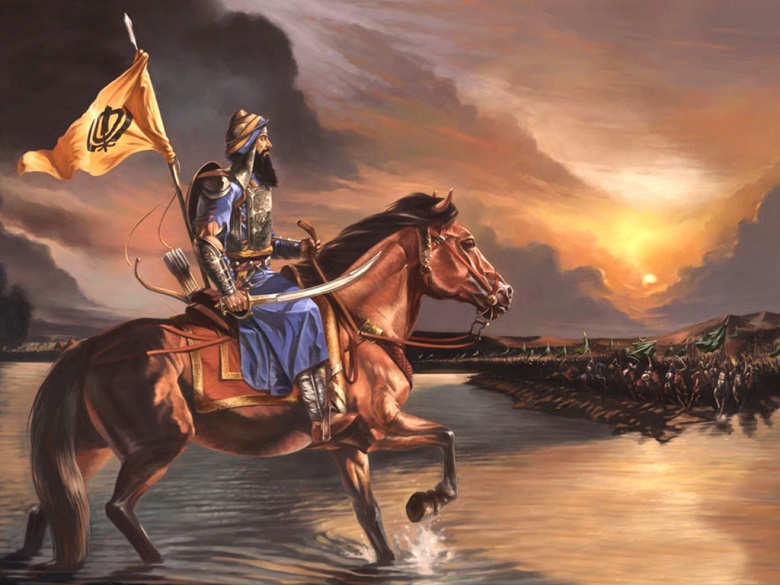
Through this reasoning it is safe to say that if anyone challenged the tyrannical Mughal regime at the time, then it was the Singh’s who had been instilled with the teaching of the 10 Sikh Gurus through Guru Granth Sahib Ji Maharaj.
Thus, the next time someone tells you that there is no concept of sovereignty in Guru Granth Sahib Ji, you are now equipped to answer them back.
 Khalsa Diary